


Flume
4.5215.00 Reviews
App Specs
- Version
- 1.10.2
- Updated On
- License
- Free
- Downloads
- 50,000+
- Developer
- Flume
- Categories
- House & Home
- Platform
- Android
Screenshots
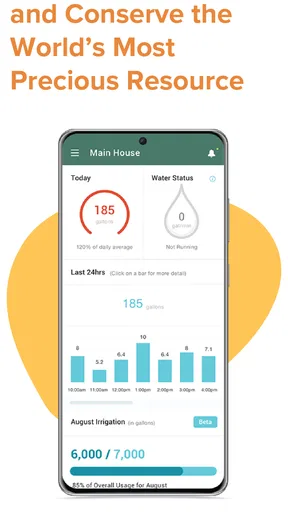
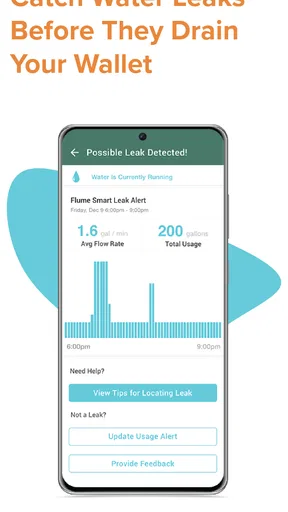
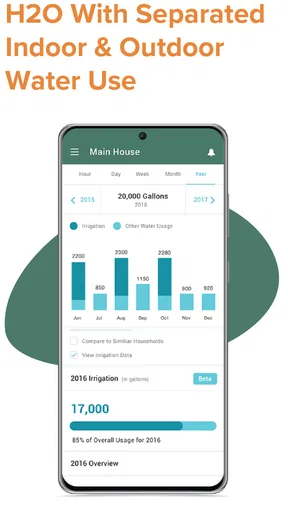
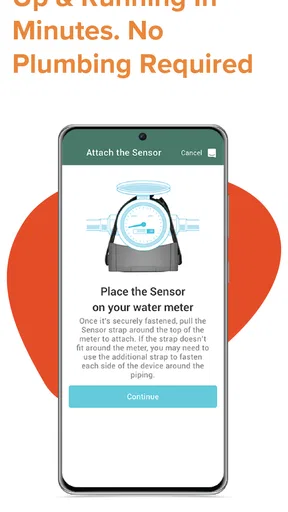
 Analysis by AppCompare
Water problems rarely begin with a dramatic burst pipe. More often, they start as a slow leak behind an appliance, under a sink, or somewhere that is easy to ignore until the damage becomes expensive. Flume is a House & Home app from Flume that focuses on helping residential users watch water use and spot possible leaks. I found its appeal less in flashy controls and more in the idea of turning an invisible household risk into something I can check from my phone.
The app is free to install and aimed at Everyone, which makes the basic barrier to trying it fairly low. It has built a respectable audience, with over fifty thousand installs and a 4.5 average from more than five hundred ratings. Those figures suggest that the concept is easy for homeowners to understand, but they do not remove the practical question: will it fit your home, your habits, and the equipment you already use?
How Flume feels in everyday use
I find Flume easiest to judge as part of a household routine, rather than as an app I would keep checking for its own sake. This section looks at how that everyday rhythm can make water activity easier to interpret, then turns to the practical question of what the app can—and cannot—tell me about trust and control.
A focused approach to water awareness
My first impression of Flume is that it is designed for people who want a clearer view of what is happening with household water, rather than a general smart-home dashboard packed with unrelated controls. That focus is useful. When an app has one main job, I can open it with a specific question in mind: Is water running right now? Does this usage look normal? Should I investigate before leaving the house?
The developer, Flume, positions the app around intelligent leak detection and water management for a residential home. In practical terms, that makes it most interesting when paired with a routine. I would check it after installing a new appliance, before going away for a few days, or whenever the water bill seems unusual. It is not merely something to glance at once and forget; its value grows when I compare what I see with normal household behavior.
The interface experience matters here because monitoring tools can become frustrating if every check takes too long. Flume feels like the sort of app that should be quick to consult, but the overall usefulness depends on more than opening speed. A fast screen is not enough if I have not set up the underlying system correctly or if I cannot interpret an alert. The strongest workflow is simple: establish a normal pattern, notice an unexpected change, then inspect the likely source in the home.
What happens during a normal day
Imagine leaving for work after running the dishwasher and washing machine. Normally, I would have little reason to think about water until returning home. With Flume in my routine, I can use the app as an extra check that the house is quiet while nobody is there. If activity appears at an odd time, that does not automatically prove a leak, but it gives me a reason to check a toilet, outdoor tap, water heater, or appliance connection before a small issue grows.
Worth Reading Before You Choose

EA SPORTS FC Mobile 26 Is a Bigger Football Game, but It Takes Time

Flipboard Shows What News Apps Must Do Beyond the Feed

Switching to Android Auto Means Rethinking Your Driving Routine

Google Calendar Makes a Crowded Week Easier to Manage

Ludo King Makes the Most of the Minutes Between Plans

Baby Panda World Brings Quick Play to Modern Phones, but Its Game Library Feels Busy
That distinction is important. A monitoring app can point to unusual behavior, but it cannot replace a physical inspection. A household may use water unexpectedly because someone forgot a tap, an irrigation schedule ran, or a device is operating normally. I would treat an alert as a prompt to investigate, not as a final diagnosis. This is one of the most useful habits to develop with Flume: respond to the pattern, not just the notification.
For renters, the decision is more complicated. If I cannot access the relevant plumbing setup or make changes to the property, the app may be less practical even if I like the idea. Homeowners, landlords, and people responsible for a second property have a clearer reason to consider it because early awareness can make a larger difference when nobody is physically present.
Speed expectations and the cost of checking often
Flume is not the kind of app I would choose for entertainment or constant interaction. Its performance should be judged by how quickly it lets me understand a water event and decide what to do next. For that purpose, a clean, focused experience is more valuable than a crowded feature set. I do not need a complicated dashboard when I am standing in a hallway wondering whether a sound from the utility room is normal.
At the same time, I would avoid expecting instant certainty from any remote monitoring tool. The app can only be as useful as the connection between the home equipment, the service, and the phone. A delayed view, a temporary network problem, or an unusual household event can affect how confidently I interpret what I see. That is not a reason to dismiss Flume, but it is a reason to keep realistic expectations about speed.
My practical tip is to decide in advance what deserves immediate attention. A brief burst of activity after a shower is different from continuous activity while the home should be empty. Having that mental baseline prevents me from wasting time reacting to every small change. It also makes the app feel faster in practice because I already know what information matters to me.
Heavy-use moments reveal the real value
The most useful moments are not necessarily the quiet ones. I would pay closer attention after installing a washing machine, replacing a toilet valve, starting seasonal outdoor watering, or returning from a long trip. These situations create a clear before-and-after comparison. If water behavior changes after maintenance, Flume can help me decide whether the change deserves a closer look.
Another valuable scenario is preparing to leave home. Before a weekend away, I would close or check the taps, confirm that expected appliances are not running, and use the app as part of a broader departure routine. It is not a substitute for shutting off the main supply when that is appropriate, but it can add reassurance and make an unexpected event easier to notice.
Heavy use can also expose a limitation: the app may show that something is happening without explaining exactly which fixture caused it. That means the user still needs basic household detective work. I would walk through the likely sources, listen for toilets refilling, inspect visible connections, and check outdoor lines. The app is strongest as an early-warning layer, not as a complete plumbing service.
Families may find the interpretation especially important. Several people using water at once can create a busy pattern that looks unusual if I only know the household schedule from my own perspective. Before deciding that a warning means trouble, I would ask whether somebody showered late, ran a load of laundry, or used an outdoor hose. This small pause can prevent unnecessary alarm while preserving the app's main benefit.
Reliability depends on the whole setup
I judge Flume's reliability by asking whether it can become part of a dependable routine rather than by expecting it to eliminate uncertainty. The app has a clear purpose, and that helps. A focused water-monitoring tool is easier to understand than a broad home app where leak information is buried among lighting, security, and climate controls.
Still, reliability is not just an app-quality issue. The home environment, the connected equipment, the internet connection, and the user's response all matter. If I ignore an alert because notifications are too frequent, the system becomes less useful. If I never establish what normal usage looks like, unusual activity is harder to recognize. If I rely on the phone alone and never inspect the plumbing, I am using only part of the protection the concept offers.
I would therefore configure my routine around meaningful checks instead of opening the app constantly. A morning glance, a check before leaving, and a review after unusual water use would be more sustainable than repeatedly refreshing it. This is a non-obvious strength of the product category: the best experience is often built through consistent interpretation, not constant screen time.
Recovery is another practical consideration. If the app or connection is temporarily unavailable, I would not assume that the home has stopped using water normally or that a problem has disappeared. The sensible fallback is the same one I would use without an app: inspect visible plumbing, listen for running water, check appliances, and use the main shutoff if there is an urgent concern. Flume can improve awareness, but it should not become the only way I know my house is safe.
Device constraints and ownership questions
The listed minimum operating-system requirement is version 10, so I would check the phone's software before planning around the app. That requirement is not especially demanding for a current device, but it can matter if I am trying to reuse an older phone as a household monitor. A spare device may be useful for occasional access, yet it should not be the foundation of the setup if its software is no longer maintained or its connection is unreliable.
The current version is 1.10.2, which gives prospective users a clear compatibility reference when checking their device. I would also remember that an app update can change how a screen behaves or how I find a setting, so I would avoid creating a household routine that depends on one exact button location. The important habit is knowing what information to review, not memorizing the interface.
Flume is free, but in-app purchases are listed at $49.99 per item. That makes the ownership question more than a simple download decision. I would look carefully at what hardware or service is needed for the monitoring experience I want and whether the purchase makes sense for my property. Someone in a small apartment with limited control over plumbing may not get the same value as a homeowner protecting a house, a rental, or a property that sits empty.
This is also where Flume differs from ordinary water-bill tracking. A bill tells me what was consumed over a billing period, usually after the fact. A smart-home platform may offer leak alerts only as one feature among many, while a basic visual inspection costs nothing but requires me to be present and attentive. Flume sits between those choices: it is more proactive than waiting for a bill, but it still relies on me to investigate and act.
Who should use it, and who should skip it?
I would recommend considering Flume if I owned a home and wanted an additional way to notice unexplained water activity. It is especially relevant for people who travel, manage a second property, have had a previous leak, or simply want a better understanding of household water behavior. The app's focused purpose makes sense when preventing damage is more important than having a large collection of smart-home controls.
I would be more cautious if I lived somewhere with no practical way to install or maintain the associated setup, or if I wanted a tool that identifies the exact broken fixture without any investigation. It is also not the right choice for someone who expects an app to replace insurance, a plumber, a shutoff valve, or regular maintenance. Those needs call for different solutions, and Flume should be viewed as an extra layer rather than a complete emergency system.
People who dislike recurring attention may also find the concept less rewarding. The app cannot help much if alerts are ignored or if unusual activity is never followed up. Conversely, someone who enjoys having clear household routines may find it reassuring because it turns a hidden risk into something easier to check. The value is personal and practical, not decorative.
Small workflow changes that improve the experience
I would begin by observing normal household patterns before making strong judgments. Run the appliances you normally use, note when the home is occupied, and pay attention to how outdoor watering or seasonal changes affect activity. This creates a personal reference point that is more useful than a generic idea of what water use “should” look like.
Next, I would connect app checks to existing routines. Checking before bed can reveal whether a toilet or tap is still running. Checking before leaving can become part of locking doors and turning off lights. Checking after a repair can give me another reason to confirm that the work had the intended result. These small links make the app easier to remember without making it another full-time task.
When something looks wrong, I would use a fixed inspection order: visible taps, toilets, appliances, utility-room connections, and outdoor lines. That approach avoids opening every cabinet at random. It also turns the app's broad warning into a repeatable household process. If I live with other people, I would agree on who checks first and who knows where the main shutoff is.
Finally, I would avoid treating every unusual reading as an emergency. A genuine concern is sustained or unexplained activity, especially while the property is empty. A short event that matches a known shower, appliance cycle, or watering schedule may be perfectly normal. This balanced approach is where an intelligent monitoring idea becomes genuinely useful instead of stressful.
My performance verdict
Flume makes the most sense as a focused companion for residential water awareness. Its expected performance is less about demanding heavy phone resources and more about delivering information at the moment I need to make a household decision. The app's narrow purpose, free entry point, and compatibility with devices running version 10 or later make it approachable, while the possible in-app purchase means I would evaluate the complete setup rather than judging the download alone.
I like that it encourages a proactive mindset. Instead of waiting for visible damage or a surprising bill, I can build a habit around checking for behavior that does not fit the household's normal pattern. That is a meaningful difference from conventional alternatives. However, I would not call it effortless protection. The user still has to understand the home, investigate warnings, and keep a practical backup plan for connection or device problems.
After using it as a monitoring tool rather than a magic detector, I would recommend Flume to homeowners who want earlier awareness and are willing to participate in the process. I would skip it if I had no control over the property's plumbing or expected exact fault identification without any hands-on checking. For the right home, the strongest benefit is turning hidden water activity into an actionable routine. That is a modest idea, but it can be genuinely valuable when a small warning leads to a quick inspection instead of a much larger repair.
Overall, Flume feels most convincing when I use it alongside sensible maintenance, not instead of it. The app is free, rated for Everyone, and developed by Flume, with a clear residential focus. I would install it when the cost of being unaware is higher than the effort of monitoring, and I would judge its success by one practical question: does it help me notice and respond to unusual water use sooner than I would have otherwise?
Flume is therefore a worthwhile option for a specific kind of user: someone who wants a dedicated water-management tool, understands that alerts require interpretation, and values prevention over waiting for visible evidence. It is not the universal answer for every home, but within that role, it offers a sensible way to make an otherwise invisible part of household life easier to watch.
Pros
- Clean interface makes browsing and organizing Instagram content feel straightforward.
- Supports multiple accounts
- useful for separating personal and professional profiles.
- Fast loading keeps photo and video feeds pleasant to navigate.
- Helpful discovery tools make it easier to find relevant Instagram content.
- Available on iOS
- offering a polished experience for Apple device users.
Cons
- Some features may require a paid subscription or in-app purchase.
- Instagram API changes can occasionally limit available features or functionality.
- The app depends on Instagram access and may not work fully offline.
- Notifications may be less reliable than those in the official Instagram app.
- Privacy-conscious users may hesitate to connect a third-party Instagram client.
FAQs for Flume
What is Flume and what can I use it for?
Flume is a social media application designed for browsing and interacting with Instagram content from a desktop-style interface. Depending on the version and platform available, it may let you view feeds, explore profiles, manage messages, and organize your social activity more comfortably than using a mobile screen. Before downloading, check the current feature list and compatibility because third-party apps can change as Instagram updates its services.
Is Flume an official Instagram application?
No, Flume is generally recognized as a third-party Instagram client rather than an official app developed by Meta. This means its features depend on Instagram’s available access and policies, which can change without notice. Users should download it only from a trustworthy source, review the developer information carefully, and avoid entering account details into unofficial copies or suspicious websites that imitate the original application.
Does Flume work on Android, iPhone, or desktop computers?
Flume has primarily been associated with desktop use, particularly on macOS, rather than being a standard Android or iOS mobile application. Availability may vary depending on the current release, developer support, and operating system version. If you are looking for a phone app, verify the listing carefully before installing, since similarly named applications may be unrelated and could offer completely different features.
Do I need an Instagram account to use Flume?
In most cases, you need an active Instagram account to access personalized features such as your feed, followed accounts, direct messages, or profile management. Flume does not replace Instagram itself; it works as an alternative interface for interacting with Instagram services. You should also make sure your account is in good standing and that you understand the permissions requested during the sign-in process.
Is Flume safe to download and use?
Safety depends heavily on where you obtain Flume and which version you install. Use the developer’s official website or a reputable app store whenever possible, keep your operating system updated, and avoid modified downloads. Because the app may require Instagram login access, review its privacy policy and permissions before proceeding. If Instagram changes its policies, some functions may stop working or require reauthorization.


